Bolmo Reads Bytes. The Tokenizer Stayed in Stage 1
Nature published Ai2’s byteification paper on Oct 7. Bolmo 7B beat BLT 7B by 16.5 points on STEM. Bwen 8B is the stronger retrofit. Character tasks are the reason to care.


Interconnects puts OpenRouter open-model traffic near 80T tokens a week. Vercel's Sep 17 index still gives closed models 86% of estimated spend. A 9B longevity model beat Gemini 3.1-Pro on a bench.
Nature published Paper2Agent on Sept 16. Stanford’s Zou wrapped a paper as an MCP server in 45 minutes. Environmental scientists still want a human in the loop.
Context windows have grown from 4K tokens to millions, but bigger is not always better. Here is what changed in 2026 and how it affects real-world LLM usage.
A new paper finds 80% of developers use AI tools but only 29% trust them. Here are the eight assumptions the research says are wrong, and what actually matters.
A new Nature paper argues our entire understanding of LLMs is built on flawed human metaphors — and proposes a radical alternative called machine experientialism that reframes how we think about AI cognition.
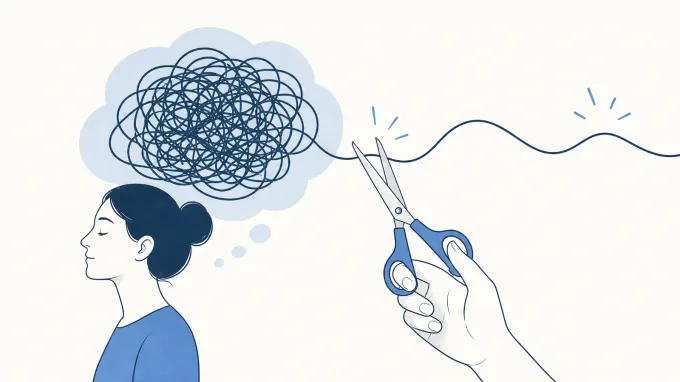
The AI field spent two years proving that longer reasoning chains produce better answers. Now a wave of new research shows the opposite: beyond a certain point, more 'thinking' actively degrades performance. The overthinking problem is real, measurable, and it's forcing a rethink of how we deploy reasoning models.
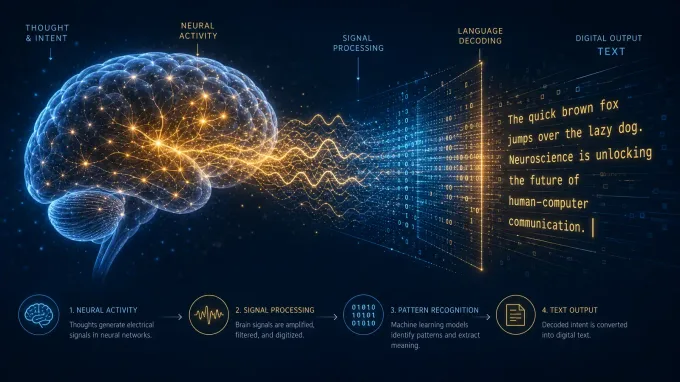
Meta's FAIR lab and academic partners published Brain2Qwerty v2, a non-invasive system that decodes typed sentences from MEG signals, reaching 78% word accuracy for its best participant. Here's how it works and why it matters for the future of AI and human communication.
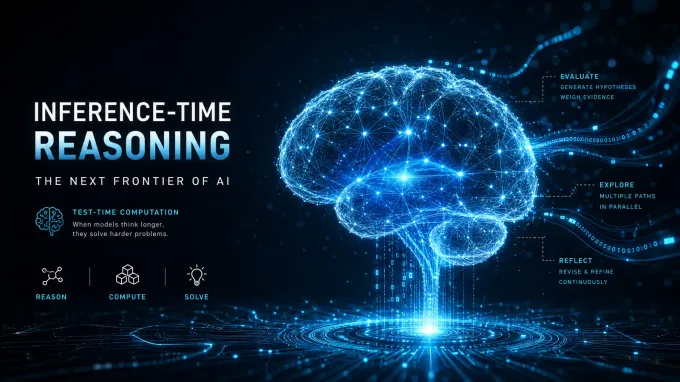
Pre-training scale isn't the only lever anymore. Test-time compute scaling lets models think longer at inference — and the results are reshaping how we measure AI capability.
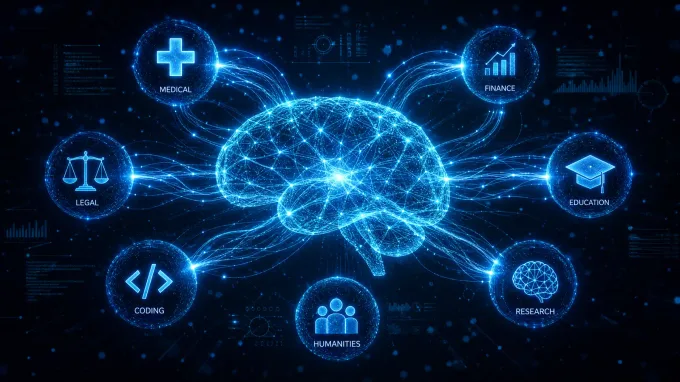
A landmark Nature Medicine study shows general-purpose LLMs like Gemini and GPT now beat dedicated clinical AI tools on medical benchmarks. The pattern extends beyond healthcare — and it should reshape how companies think about building versus buying AI capabilities.
The next frontier in AI isn't better text generation — it's models that seamlessly understand and generate across multiple modalities. From GPT-5's native vision to Gemini's audio processing, here's the state of multimodal AI.
An accessible deep dive into Mixture of Experts (MoE) — the architecture behind GPT-5, Claude Opus, and Gemini — explaining how it works, why it won, and what's coming next.